Geosteering Techniques
Geomatch encompasses two primary methods: model-based and strat-based techniques. These approaches, although distinct, can be seamlessly integrated to enhance geosteering accuracy and efficiency.
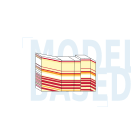
1. Model-Based Geosteering
Model-Based Geosteering is an innovative technique that revolutionizes how directional drilling is approached. By integrating geological models with real-time data, this method allows for an adaptive drilling strategy that is informed by the actual subsurface conditions encountered. Unlike traditional geosteering methods that may rely heavily on historical data and less dynamic approaches, model-based techniques create a more interactive relationship between the drilling process and the geological environment. This not only enhances the precision of well placement but also supports decision-making through predictive analytics, ensuring that operators are equipped to respond swiftly to unexpected changes.
Method Components
Geological Models:The foundation of Model-Based Geosteering lies in robust geological models that are constructed from comprehensive subsurface data. These models utilize information from seismic surveys, well logs, and geological mapping to create a detailed representation of the formations. By visualizing the subsurface environment, geologists and engineers can identify critical features such as faults, fractures, and stratigraphic layers that influence drilling. As the model is updated with real-time data, it becomes a dynamic tool that reflects the current state of the subsurface, guiding the drilling team in making informed adjustments to the wellbore trajectory.
Real-Time Data Integration:The ability to integrate real-time data from various sensors and logging tools is a game-changer for geosteering. Continuous monitoring of parameters such as weight on bit, rate of penetration, and formation pressure allows operators to assess the drilling conditions as they unfold. This immediate feedback loop enables quick decision-making, such as altering the drilling angle or adjusting mud properties to maintain wellbore stability. The integration of data enhances the overall efficiency of the drilling process, reducing the likelihood of encountering adverse conditions that could lead to delays or safety issues.
Predictive Analytics:Predictive analytics plays a crucial role in Model-Based Geosteering by leveraging historical data and advanced algorithms to forecast subsurface behaviors. By simulating various drilling scenarios, operators can evaluate the potential impacts of different strategies on wellbore placement and formation interactions. This proactive approach allows for optimization of drilling parameters before encountering challenges, reducing the risk of costly mistakes. For example, if the model indicates a high likelihood of encountering unstable formations, the drilling team can implement preemptive measures, such as changing the drilling fluid or adjusting the rate of penetration.
Pros of Model-Based Geosteering
Enhanced Accuracy:One of the most significant advantages of Model-Based Geosteering is the increased accuracy it provides in targeting hydrocarbons. By utilizing real-time data in conjunction with geological models, operators can fine-tune the drilling trajectory to stay within the most productive zones. This precision minimizes the risk of wellbore deviations that could result in missing the reservoir or encountering unproductive formations. As a result, operators can expect higher success rates in their drilling operations, translating into greater returns on investment.
Cost Efficiency:Cost savings are another key benefit of adopting Model-Based Geosteering practices. By reducing non-productive time (NPT) and optimizing drilling processes, operators can significantly lower the overall costs associated with drilling projects. Furthermore, the ability to quickly identify and rectify issues as they arise prevents escalation into larger problems that could lead to extensive downtime or costly remedial operations. This efficiency is particularly valuable in today’s competitive energy market, where minimizing expenditures is essential for maintaining profitability.
Increased Recovery:Better well placement facilitated by Model-Based Geosteering can lead to higher recovery rates from reservoirs. By ensuring that wells are drilled in the most productive zones, operators can maximize the extraction of hydrocarbons, ultimately enhancing the overall yield from the drilling program. The combination of accurate targeting and the ability to adapt to real-time conditions ensures that wells not only reach their intended targets but also achieve optimal performance throughout their productive life.
Practical Applications
Case Studies:Numerous case studies highlight the successful implementation of Model-Based Geosteering across various projects. For instance, a major oil operator in a challenging geological area utilized this approach to navigate through complex stratigraphy. By continuously updating their geological models with real-time data, they managed to improve their drilling accuracy by over 30%, resulting in substantial cost savings and increased production rates.
Technological Innovations:The landscape of Model-Based Geosteering is continuously evolving, with new tools and software emerging to enhance its effectiveness. Recent innovations include advanced machine learning algorithms that can analyze vast amounts of data more efficiently, as well as improved sensor technologies that provide higher-resolution insights into subsurface conditions. These advancements are enabling operators to refine their geosteering processes further, ensuring they remain at the forefront of drilling technology.Model-Based Geosteering stands as a transformative approach in the drilling industry, significantly enhancing operational accuracy and efficiency. By leveraging the power of predictive models and real-time data integration, operators can make informed decisions that optimize well placement and improve overall project outcomes. As the demand for energy continues to grow, the adoption of Model-Based Geosteering will be crucial in maximizing resource recovery while minimizing costs.
2. Strat-Based Geosteering
Strat-Based Geosteering is a specialized technique that focuses on the stratigraphic characteristics of geological formations to enhance the accuracy of wellbore placement. By understanding the layering, composition, and behavior of different rock strata, operators can make informed decisions about how to navigate the drilling process. This approach is particularly beneficial in complex geological environments where traditional drilling methods may encounter challenges. By prioritizing stratigraphic insights, this technique enables drilling teams to adjust their strategies in real-time, ensuring they remain within the most productive zones throughout the drilling operation.
Method Components
GeoMaster’s Advantage:GeoMaster leverages AI-powered automation to optimize wellbore trajectory adjustments and reduce human errors. With continuously learning algorithms, the platform improves its predictive accuracy and ensures real-time adjustments to maintain optimal well placement.
Stratigraphic Analysis:The cornerstone of Strat-Based Geosteering is thorough stratigraphic analysis, which involves studying the arrangement of rock layers and their respective properties. This analysis is informed by various data sources, including geological surveys, well logs, and core samples. By creating a detailed stratigraphic column, geologists can identify key features such as thickness variations, lithological changes, and potential reservoir zones. This understanding is crucial for making decisions about drilling parameters and trajectory, as it allows teams to anticipate changes in rock types and fluid behavior as they drill.
Layer-Specific Adjustments:Real-time monitoring of the drilling process enables layer-specific adjustments to be made promptly. As the drill bit encounters different strata, operators can assess the formation's characteristics and make immediate changes to the drilling strategy. For example, if the drilling team detects a shift to a harder rock layer, they may choose to adjust the weight on the bit or change the drilling fluid properties to optimize performance. This flexibility is a significant advantage of Strat-Based Geosteering, as it allows for a more responsive approach to drilling challenges, reducing the likelihood of encountering adverse conditions that could compromise well integrity.
Integration of Multiple Data Sources:Effective Strat-Based Geosteering relies on the integration of various data sources to build a comprehensive picture of the subsurface environment. By combining geological, geophysical, and petrophysical data, operators can create a multi-faceted understanding of the formations being drilled. This holistic approach allows for more accurate stratigraphic interpretations and better-informed decisions regarding drilling techniques. For instance, integrating data from seismic surveys with well logs can reveal the presence of fault lines or fractures that may affect the drilling trajectory, enabling operators to adjust their plans accordingly.
Pros of Strat-Based Geosteering
Targeted Drilling:One of the primary benefits of Strat-Based Geosteering is its ability to facilitate targeted drilling. By focusing on the stratigraphic characteristics of the formations, operators can enhance their chances of hitting productive zones while minimizing the risk of drilling through unproductive rock. This targeted approach not only improves the success rate of drilling operations but also contributes to higher overall production levels. By ensuring that wells are drilled in the optimal locations, Strat-Based Geosteering enhances the effectiveness of exploration and production efforts.
Adaptability:The adaptability offered by Strat-Based Geosteering is invaluable in dynamic drilling environments. As operators encounter unexpected geological features or variations in rock properties, the ability to adjust drilling strategies in real-time is crucial. This adaptability is supported by continuous monitoring of drilling parameters and formation characteristics, allowing teams to respond quickly to changes. Whether it’s modifying the drilling angle, adjusting mud properties, or altering the rate of penetration, the flexibility inherent in Strat-Based Geosteering enables operators to maintain control over the drilling process, reducing the likelihood of costly delays or complications.
Risk Mitigation:By emphasizing stratigraphic insights and real-time data integration, Strat-Based Geosteering effectively mitigates the risks associated with drilling operations. Understanding the geological context allows operators to anticipate potential challenges and implement preemptive measures to avoid issues such as wellbore instability or unexpected pressure changes. This proactive approach not only enhances safety but also contributes to more efficient drilling operations, ultimately leading to improved project outcomes.
Practical Applications
Case Studies:Various case studies illustrate the successful application of Strat-Based Geosteering in diverse geological settings. For example, a project in a complex multi-layered reservoir utilized this approach to navigate through varying rock types effectively. By leveraging detailed stratigraphic analysis, the drilling team achieved a significant increase in well performance, leading to higher recovery rates and lower operational costs.
Best Practices:Implementing Strat-Based Geosteering requires adherence to best practices that ensure its effectiveness. Key recommendations include maintaining a collaborative approach among geologists and drilling engineers, investing in real-time data acquisition technologies, and continuously updating stratigraphic models based on new information. By fostering a culture of adaptability and continuous learning, operators can maximize the benefits of Strat-Based Geosteering and enhance their overall drilling performance.
Strat-Based Geosteering is a vital technique in the modern drilling landscape, offering enhanced accuracy and adaptability in navigating complex geological formations. By prioritizing stratigraphic insights and employing real.



